Choosing the best electronic component is a crucial step in developing a functional, safe, and…
What does the assembly of electromechanical equipment (EMS) contribute to instrumental precision in laboratories?
The assembly of electromechanical equipment (EMS) demands a high level of precision. Each component fulfills a critical function. If an error of a few millimeters is made or there is a poor solder joint, the scientific results can be compromised. Therefore, it is essential to carry out correct and precise integration and verification processes.
Assembly of electronic equipment (EMS) in laboratories: mechanical and electronic integration
Total integration is the foundation of the assembly of electronic equipment for laboratories. The mechanical structure and electronic systems are not designed separately, as they are conceived as a whole. Every engineering decision affects the overall performance of the device, which requires care and precision.
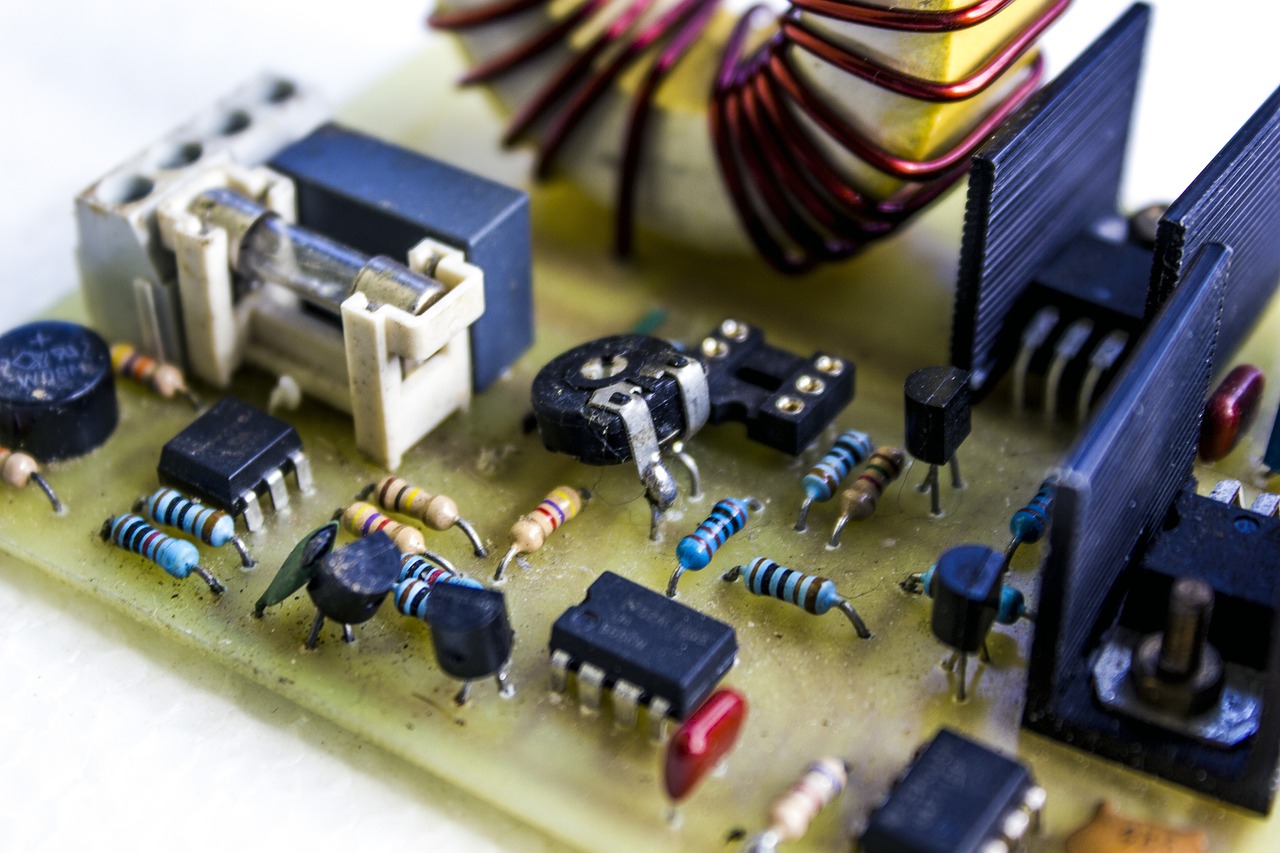
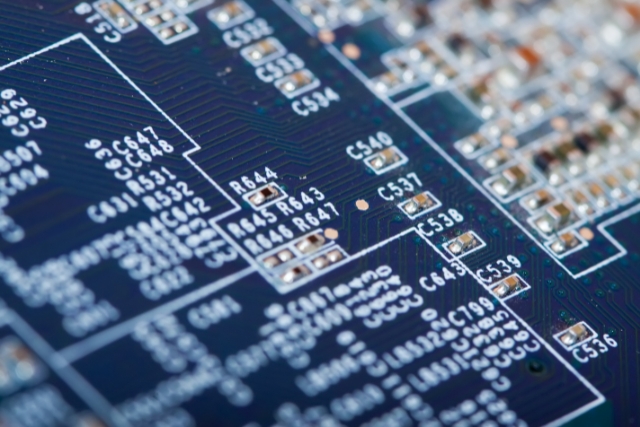
In high-precision EMS (Electronics Manufacturing Services) processes, the solution and placement of components are carried out following strict protocols. Surface mount technology allows for high integration densities and a reduction of positional error to below 50 micrometers on automated lines. With such margins, it is essential that the measurement tolerance be minimal.
Mechanical integration covers chassis design, thermal management, internal wiring, and electromagnetic compatibility. If inadequate shielding or heat dissipation is used, the device’s performance will be reduced, even if its electronics are flawless. Therefore, both disciplines are developed in parallel from the prototype phase.
Another key element to consider is the technical documentation of the process. Each assembly stage is recorded: component references, batches, soldering parameters, and assembly sequence. This approach guarantees the traceability of all elements, whether for equipment validation or for any future intervention.
Keys to Quality Control in Laboratory Devices and Functional Validation
The reliability of analytical instrumentation must be demonstrated. This is the purpose of quality control, which encompasses everything from incoming material inspection to functional testing of the assembled device. Each phase of the process has its own acceptance criteria, and passing one does not exempt the device from passing subsequent ones.
Automated optical inspection and X-ray inspection are two fundamental tools for verifying printed circuit boards. The former detects surface defects in solder joints and components. The latter identifies invisible internal faults, such as solder bridges or cold junctions under BGA packages.
The cycle is completed with functional validation. This involves subjecting the equipment to real-world operating conditions to verify that all parameters are within specifications. For measuring devices, this includes testing for accuracy, repeatability, thermal stability, and response to external electrical disturbances.
In short, the assembly of electromechanical equipment (EMS) is based on the integration of precision mechanical and electronic components, along with rigorous quality control. At Electrolomas, we apply high standards to every project, from design to final validation, to guarantee devices that meet the most demanding requirements for laboratory use.
Related Posts