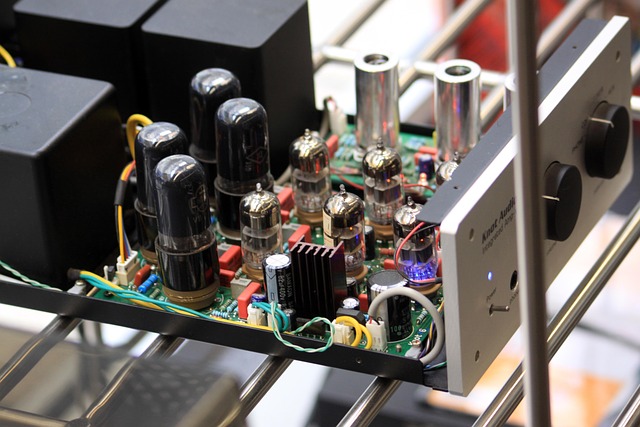
Innovations in medical electronics are advancing rapidly. Significant technological initiatives and achievements are emerging, such…
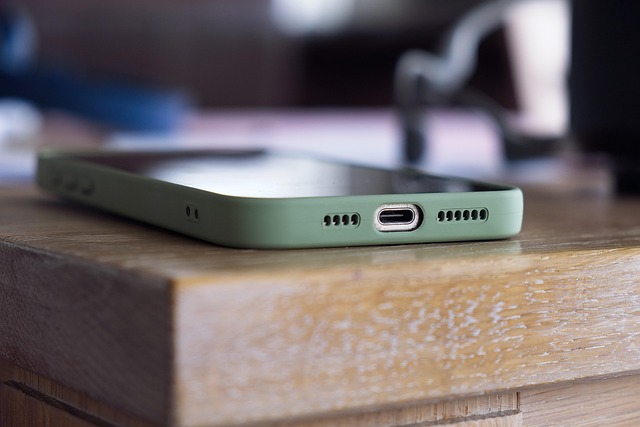
THT vs. SMD Assembly in Electronic Manufacturing: Comparison and Practices in Spain
THT assembly and its comparison with SMD is a fascinating topic that affects one of Spain’s most powerful sectors: EMS (Electronic Manufacturing Systems). Current electronic manufacturing is evolving by leaps and bounds, thanks to the constant impetus of technology.
Therefore, it is essential to disseminate technical aspects that previously went unnoticed; now, however, understanding them can make the difference between success and failure when acquiring or ordering electronic products.
Technical Differences Between THT and SMD Assembly
An analogy helps to better understand both alternatives. It’s best to imagine each printed circuit board (PCB) as a canvas where its components must be mounted. There are two mounting methods for this, which are precisely the ones compared in this article.
THT or Through-Hole Technology
At Electrolomas, we know that THT is the traditional technical method. The components have long leads that pass through holes in the board and are then soldered on the opposite side. The most common method is to attach them using wave soldering, which involves a molten tin bath.
Mechanical robustness is its main advantage. In Spain, it is particularly prevalent in the railway sector and in renewable energy, especially in inverters and solar trackers. That is, where panels are often subjected to vibrations or extreme heat.
However, it has two drawbacks: it takes up a lot of space and slows down assembly.
SMD (Surface-Mount Device)
To compare THT vs. SMD, it is necessary to explain what this second methodology entails. Essentially, the components are minuscule and are soldered directly onto the surface of the board, without any holes. The method used is a reflow oven process.
This system offers enormous density, essential in equipment such as smartphones or the most powerful and smallest IoT devices. Furthermore, it is cheaper, especially for large-scale production.
What are its disadvantages? Manual repairs are more complicated, and resistance to physical pulling is lower than that of THT assembly.
Best Practices with AOI on Assembly Lines
Automated Optical Inspection, or AOI, is a method for inspecting and validating circuit boards that improves their final quality. In modern manufacturing, the human eye is no longer sufficient. Therefore, high-resolution cameras and advanced software are used to scan them in seconds and identify their condition.
The result is three times better:
- Surgical precision is achieved. This technique makes it possible to know if an SMD component is even a few microns out of place. Missing solder joints or the presence of a solder bridge that could cause short circuits are also detected.
- It ensures compliance with ISO and Quality standards. Given that EMS plants in Spain operate under ISO 9001—and frequently also apply IPC-A-610—it guarantees that their standards are met automatically. In fact, a quality report is generated for each board manufactured.
- Rejects are reduced. The rapid detection of these errors, right after the reflow oven, allows for board correction before it reaches the next stage. Consequently, thousands of euros in waste are saved, and the end customer is prevented from receiving even a single defective unit.
When comparing THT and SMD assembly, the most common approach in Spanish factories is a hybrid one. SMD is often used for the circuit’s core components, while THT is used for connectors or power components that require high loads. In any case, at Electrolomas, we always work with the highest electronic quality for the benefit of our customers.
Related Posts