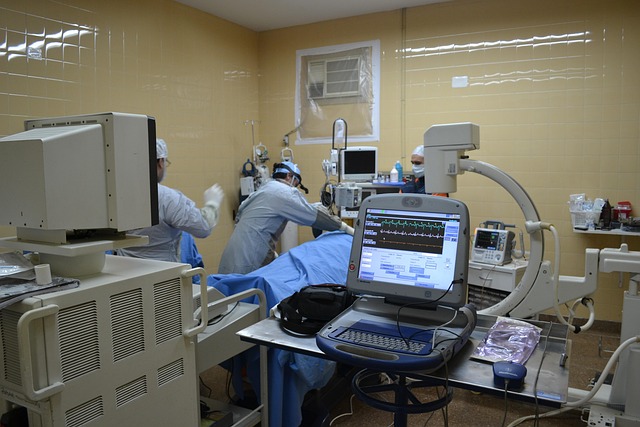
The use of flexible, multilayer PCBs is one of the technical consequences of the…

ISO 13485 and PCB Manufacturing for Medical Devices: Keys to Compliance
The manufacturing of PCBs for medical devices is subject to much stricter regulatory requirements than those in other electronics sectors. ISO 13485 certification establishes the framework for ensuring the safety, traceability, and quality of medical devices throughout their entire lifecycle.
In this context, printed circuit boards and medical wiring play a critical role, as any failure directly affects device function and patient safety.
In addition to impacting production, this standard also influences design, risk management, testing, and the technical documentation associated with PCB manufacturing. Compliance with this ISO standard implies adopting a systematic and documented quality culture in all electronic processes.
What ISO 13485 Requires for PCBs and Medical Wiring
Although ISO 13485 does not define specific technical specifications for electronic design, it does establish clear requirements on how processes affecting product quality and safety should be managed.
At Electrolomas, we know that one of the fundamental pillars is risk management. In the field of PCBs and medical wiring, this means identifying potential electrical, thermal, or mechanical failures, evaluating their clinical impact, and defining the necessary controls to mitigate them from the design phase.
The standard also requires rigorous control of design and development. Every change in the PCB layout, materials, or soldering processes must be evaluated, validated, and documented. This is especially relevant in high-density designs or critical applications, such as monitoring, diagnostics, or life support.
Another key point is the selection and evaluation of suppliers. Base materials, electronic components, and outsourced processes must meet defined and verifiable quality criteria. In the case of medical wiring, special attention is paid to biocompatibility, sterilization resistance, and mechanical reliability.
Finally, the standard requires product verification and validation, including electrical and functional testing, and, where applicable, environmental testing to ensure compliance with the specified requirements.
Practical Implementation in Electronic Production
Putting ISO 13485 into practice when manufacturing PCBs requires concrete and systematic actions in the day-to-day production process.
Among the most relevant aspects is complete traceability. Every PCB and medical wiring assembly must be traceable from the materials used to the production batch, the controls performed, and the final destination. This facilitates the management of incidents and recalls, if necessary.
Technical documentation is another key element. Work instructions, control plans, inspection records, test reports, and non-conformity management must be kept up-to-date and accessible. Document consistency is as important as technical execution.
In production processes, controls such as automated optical inspection (AOI), electrical testing (ICT, flying probe), and functional validations are applied. These are all mandatory, as they form part of the quality system required by ISO 13485.
Furthermore, continuous improvement is a cross-cutting requirement. Internal audits, root cause analysis, and corrective actions reinforce the reliability of both the process and the final product.
Compliance with this standard is more than a regulatory obligation. It is a competitive advantage for any company involved in the manufacture of PCBs and medical cabling in accordance with ISO 13485. For personalized advice, simply contact us.
Related Posts