SMD assembly with AOI has been growing in importance in recent months. It is an…
Importance of AOI Quality Control for Detecting Faults in Electronic Assemblies
AOI quality control has become essential in modern electronic manufacturing. Automated electronic inspection allows for the real-time detection of errors, thus ensuring product reliability. In demanding sectors such as medical, IoT, and security systems, minimizing PCB defects is key to ensuring both performance and safety.
At Electro Lomas, the integration of AOI systems optimizes all production processes, reduces rework, and ensures compliance with the highest industrial quality standards.
What does AOI quality control actually detect?
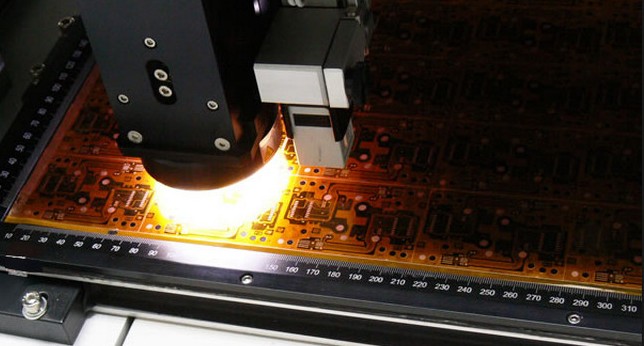
AOI quality control allows for the precise identification of a wide variety of defects in electronic boards. Its operation is based on advanced optical systems that compare images captured in real time with predefined reference models.
Through high-resolution cameras and image processing algorithms, automated electronic inspection detects errors that may go unnoticed in manual inspections.
Main PCB defects detected by AOI
Among the most common PCB defects that can be identified are:
- Insufficient or excessive soldering.
- Misaligned or incorrectly positioned components.
- Missing components.
- Short circuits or solder bridges.
- Incorrect polarity in sensitive components.
This type of inspection not only improves accuracy but also increases the speed of quality control. Furthermore, it allows for immediate action on the production line, preventing errors from propagating to subsequent stages.
To learn more about our technological capabilities, we encourage interested parties to visit our homepage.
International standards such as IPC-A-610 define acceptance criteria for electronic assemblies, reinforcing the importance of these inspection systems.
AOI Integration in SMD and THT Processes
Implementing AOI quality control in production lines is essential to ensure consistent quality in automated processes. Its integration takes place at strategic points after component assembly.
At Electro Lomas, we apply this technology to both SMD and THT processes, adapting the inspection to the characteristics of each type of assembly.
Application in SMD and THT Lines
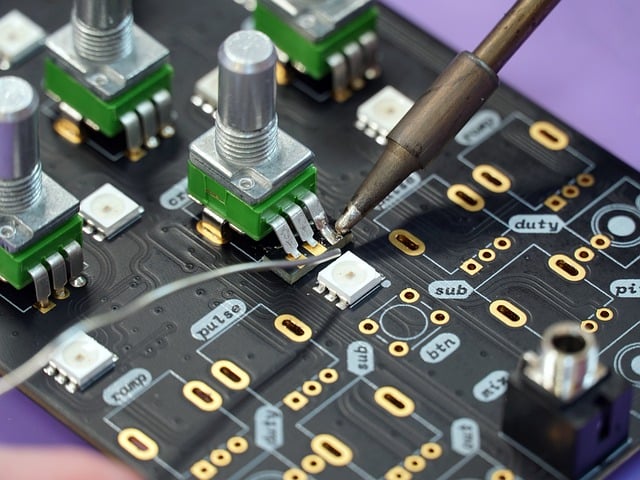
In SMD (Surface Mount Device) processes, AOI is used after the reflow soldering phase. At this point, the system verifies the correct placement and soldering of the components on the board surface.
On the other hand, in THT (Through Hole Technology), the inspection is performed after wave or selective soldering. Here, AOI validates the integrity of the joints and the correct insertion of the components.
This integration allows for constant and automated control, significantly reducing human intervention and increasing process traceability.
In short, AOI quality control is an essential tool for ensuring excellence in electronic manufacturing. Its ability to detect PCB defects through automated electronic inspection makes it possible to improve reliability, reduce costs, and optimize production processes. At Electrolomas, we work with advanced technology to offer solutions tailored to demanding sectors. We invite you to follow our activities, learn about our services, and contact our team to boost the quality of your electronic projects.
Related Posts