The manufacturing of PCBs for medical devices is subject to much stricter regulatory requirements than…
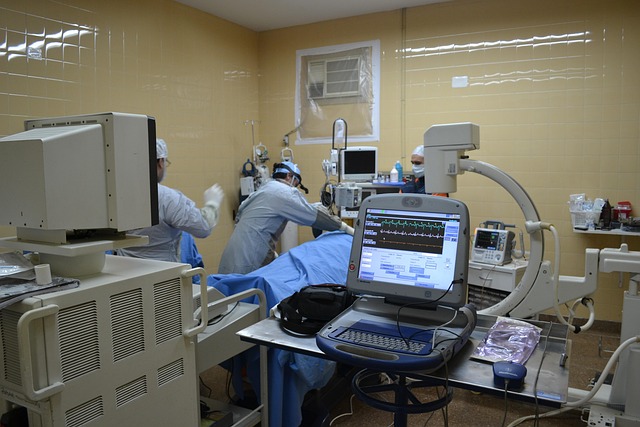
Design and Manufacturing of Flexible PCBs for Complex Medical Applications
The use of flexible, multilayer PCBs is one of the technical consequences of the evolution of advanced medical devices; that is, portable, implantable, and with complex geometries.
The main outcome of these technologies is the integration of high-performance electronics into increasingly smaller spaces, enhancing ergonomics, reliability, and the patient experience.
Along with the rise of minimal sizes, lightness, and precision, the need to adapt to anatomical shapes and constant movement has increased. We dedicate this Electrolomas content to explaining it in detail.
Advantages of Flexible PCBs in Medical Devices
These PCBs are printed circuit boards manufactured on flexible substrates—mainly polyimide—that bend, adapt to curved shapes, and are integrated into very limited spaces.
The benefits of these electronic circuits in the medical sector are distinctive and highly functional:
- Adaptability to confined spaces and complex shapes. They not only adapt to human anatomy but also eliminate internal cables and connectors, reducing their volume.
- Improved ergonomics and comfort. They are thinner, lighter, and more comfortable in devices used for extended periods. Furthermore, they are much more discreetly integrated.
- Mechanical and electrical reliability. They reduce errors because they include fewer interconnections and minimize mechanical fatigue; at the same time, they are more resistant to vibrations and movement.
- Optimized electrical performance. Signal loss is significantly reduced, and signal integrity is enhanced in high-speed applications.
As examples of their numerous applications, pacemakers, continuous monitoring equipment, advanced surgical instrumentation, and medical wearables stand out.
Technical challenges in manufacturing multilayer PCBs
The term “multilayer” is applied to models with a flexible board made up of several stacked conductive layers. This approach facilitates better integration of complex circuits in a minimal space, while maintaining complete flexibility.
The major technical challenges facing multilayer PCB manufacturing are:
- Production process complexity. Manufacturing is complicated by the precision required for layer alignment, tight tolerance management, and controlled lamination to avoid damaging the substrate.
- Demanding material selection. This relies on flexible substrates that withstand temperature and humidity, medical-grade adhesives, and other biocompatible materials.
- Bending and durability control. It is essential to design controlled bending zones and validate repetitive bending cycles without the appearance of microcracks.
- Quality control and reliability. This involves applying appropriate optical and electrical inspections, conducting thermal and mechanical stress tests, and performing lifespan or environmental resistance tests.
- Regulatory compliance. The required quality standards are very ambitious (ISO, medical regulations), as are the demands for traceability and technical documentation.
At Electrolomas, they work with these key enablers for medical innovation. When the goal is to reduce risks, optimize manufacturing, and ensure the reliability of every medical device, flexible PCBs provide an exceptional technological and functional boost. Contact Electrolomas now and guarantee the best electrical and mechanical design.
Related Posts